Sakura Season in Japan: More Than Just Cherry Blossom
Japan’s cherry blossom season is known around the world, but there is more to it than the familiar images of trees in bloom. For a few short weeks, the country changes in colour, flavour, and daily rhythm, making spring one of the most interesting times to plan a trip.
Why sakura season is such a distinctive time to visit Japan
Cherry blossom in Japan is celebrated not only through the trees themselves, but through the wider season that surrounds them. Menus change, sweets appear in shop windows, packaging turns pink, and department stores take on a lighter spring look.
For anyone considering a trip to Japan, that wider seasonal context is part of the appeal. Cherry blossom may be the main reason many visitors look at Japan in spring, but the experience of being there goes well beyond finding a park in bloom.
What is sakura? What is hanami?
Sakura means cherry blossom.
Hanami is the tradition of gathering to enjoy the blossoms, usually in parks and gardens. Friends, families, and colleagues meet beneath the trees, bringing food and drink and making an occasion of the season.
It helps to think of hanami not as one single festival, but as a nationwide spring tradition. There is no one gate, one city, or one event. Instead, it unfolds across Japan as different regions move into bloom.
When is sakura season in Japan?
In most years, sakura season runs from late March into early April, though it progresses gradually through the country.
Southern Japan tends to see blossoms first
Cities such as Tokyo and Kyoto usually follow
Northern regions come later
The exact dates vary from year to year depending on weather conditions, which can make spring planning harder for long-haul travellers.
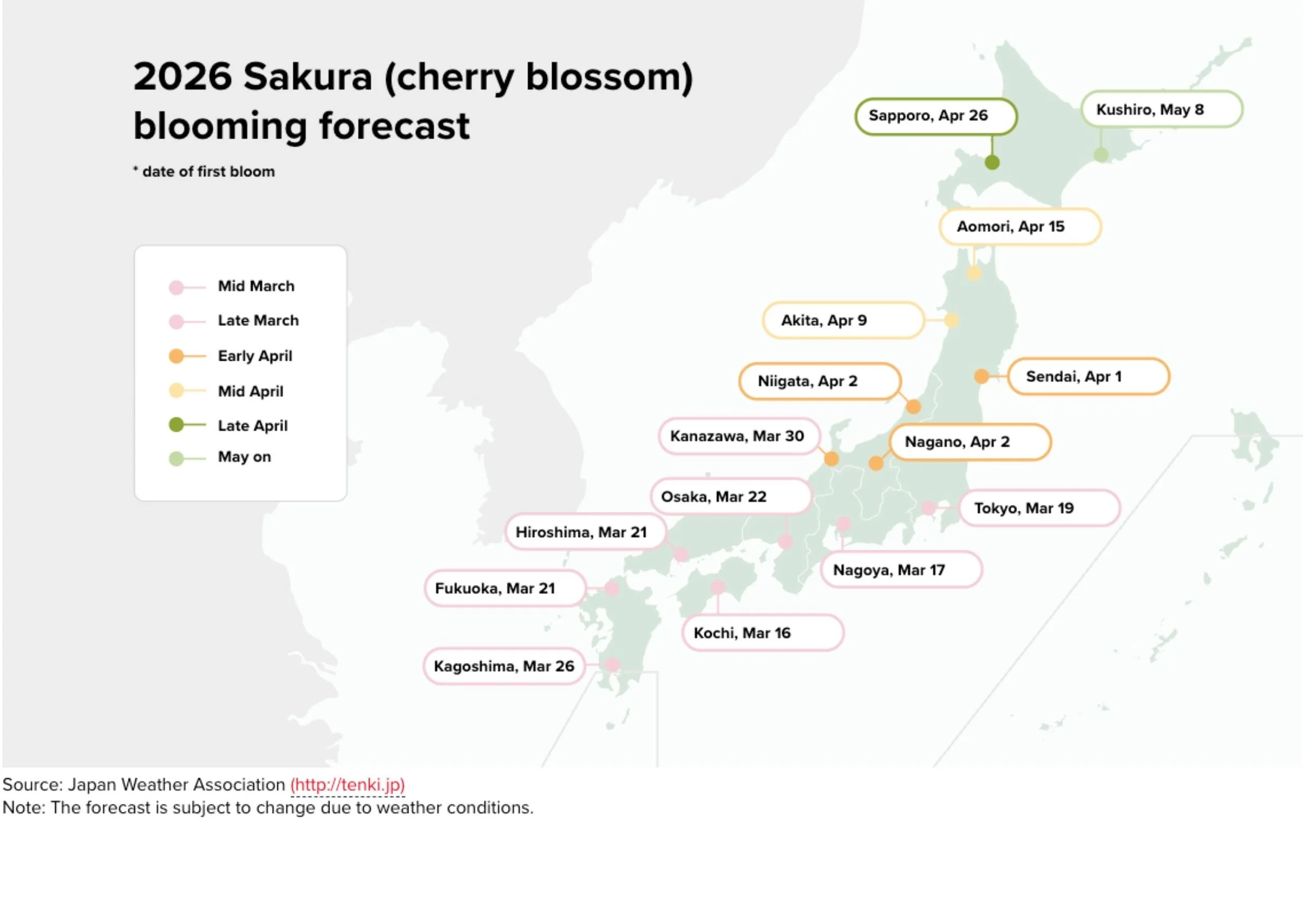
The Sakura forecast from Travel Japan. Note the later blossom dates to the North of the country.
Places like Hirosaki come into bloom later, with castle grounds and parks hosting some of Japan’s most well-known sakura festivals.
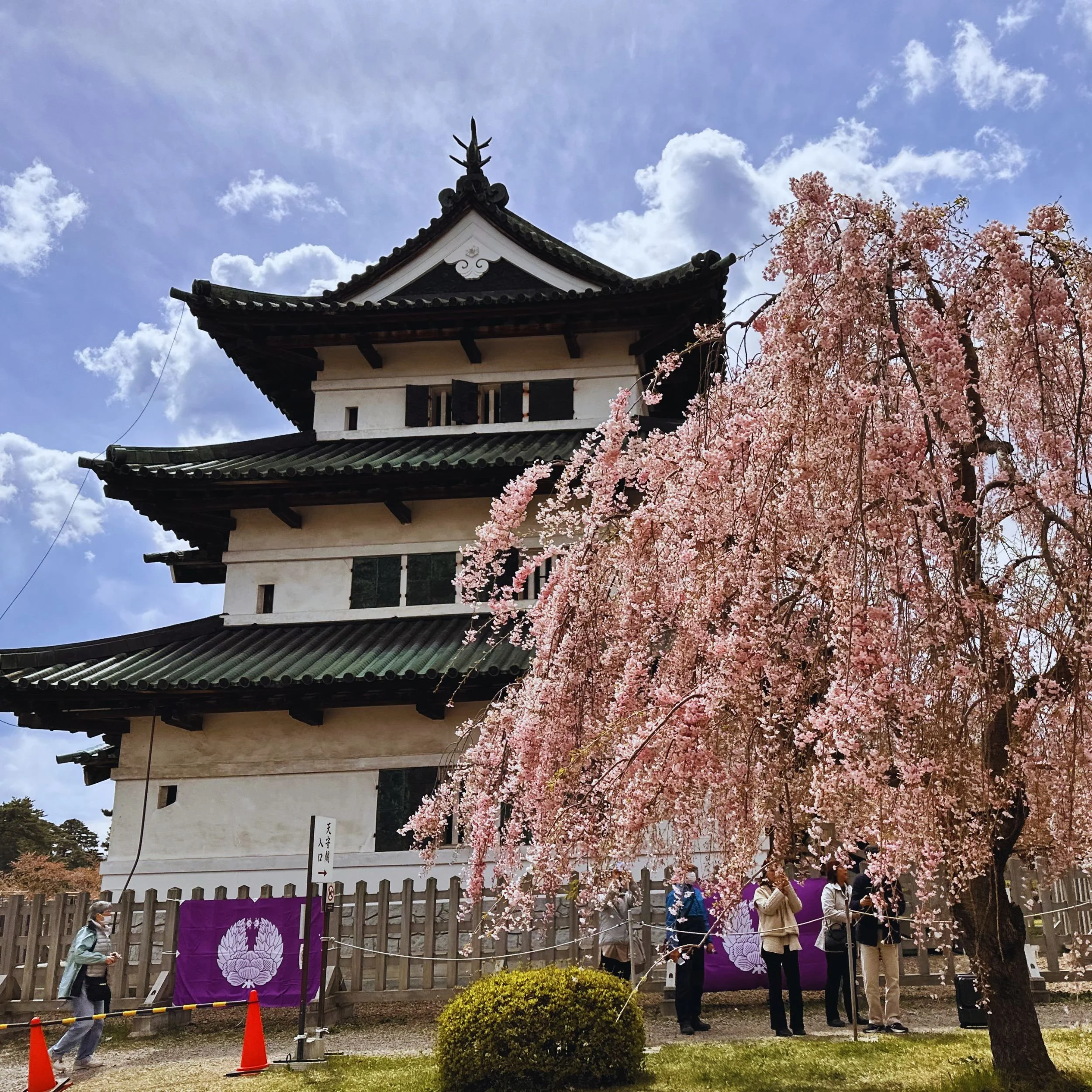
Cherry blossom in bloom at Hirosaki Castle in Aomori, where the sakura season arrives later in the north of Japan
The Japanese Weather Association publishes regular cherry blossom forecasts, and the official Japan travel website also provides forecast updates in a format that is easy for overseas visitors to follow.
If you are planning a spring trip to Japan, these forecasts are worth checking before you finalise your dates or route. They will not guarantee perfect timing, but they do help you understand which parts of the country are likely to be closest to first bloom or full bloom.
A Japan cruise or a rail itinerary using the Shinkansen Bullet Train can make it easier to connect different regions, which improves your chances of seeing blossom at different stages of the season.
Visiting Japan in sakura season means more than looking at trees
One of the clearest things about spring in Japan is how far sakura season extends into everyday life. It is not limited to parks or famous viewpoints. You see it in food, in shops, and in ordinary stops made throughout a trip.
Seasonal food and drink
This is one of the simplest ways for visitors to notice the season. Sakura appears across menus and displays for a limited period, often in forms such as:
Sakura mochi and other traditional sweets
Pink pastries and desserts in bakery windows
Seasonal drinks in cafés and coffee chains
Even well-known brands join in. At Tully’s Coffee, the menu shifts to include sakura-themed drinks. At McDonald’s, limited-time items and packaging often reflect the season too.
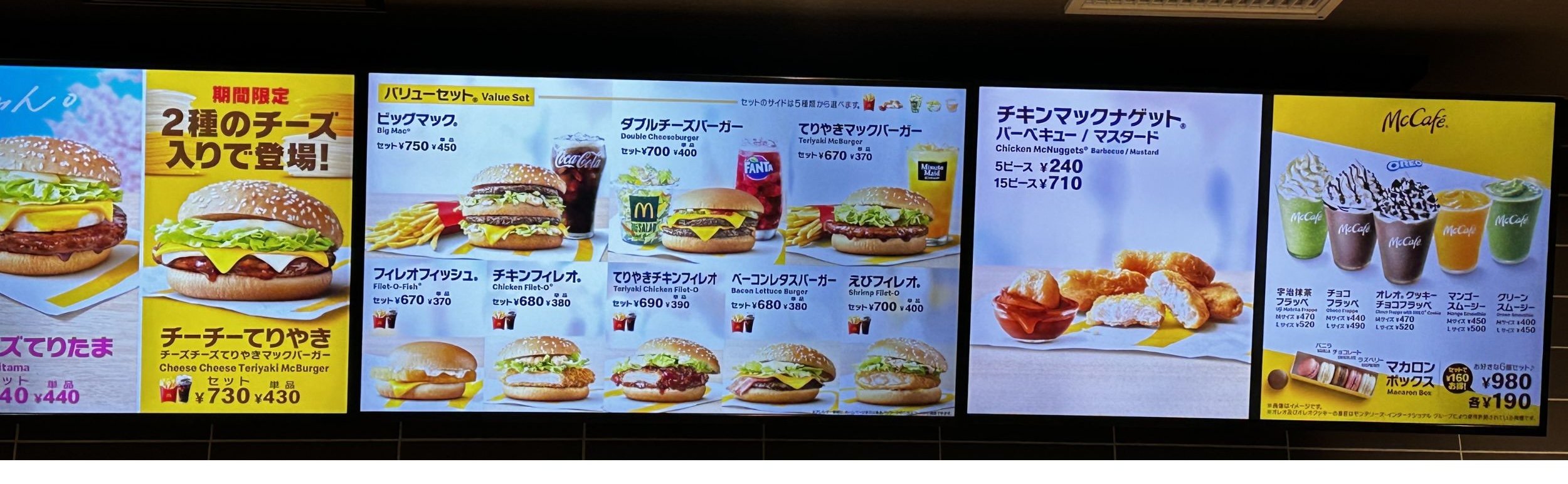
A spring menu in McDonald’s Japan, where even familiar items take on seasonal colours during sakura period
For travellers, that means sakura season is not only something seen in a park. It also appears in the everyday moments that shape a trip, whether that is a quick coffee, a snack between train journeys, or a stop in a department store food hall.
Shops, packaging, and seasonal details
Walk into a convenience store or department store during this period and the same pattern appears.
After the familiar greeting of Irasshaimase, shelves and displays often take on a more seasonal look. Packaging changes, usually in soft pink tones with blossom motifs. Sweets, souvenirs, and small gifts all reflect the time of year.
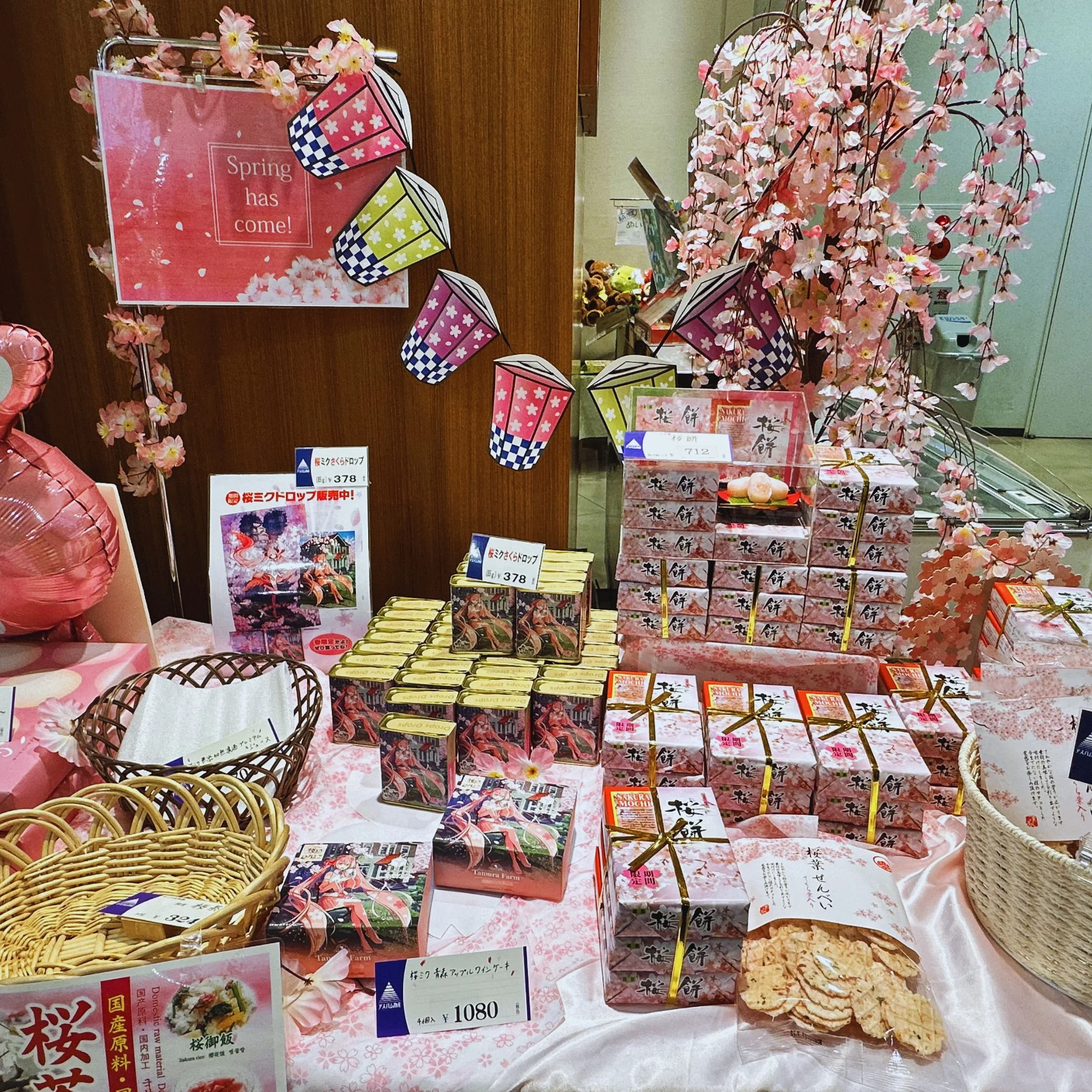
Seasonal sakura sweets and gifts on display in Aomori, where cherry blossom season extends into shops, packaging, and everyday purchases
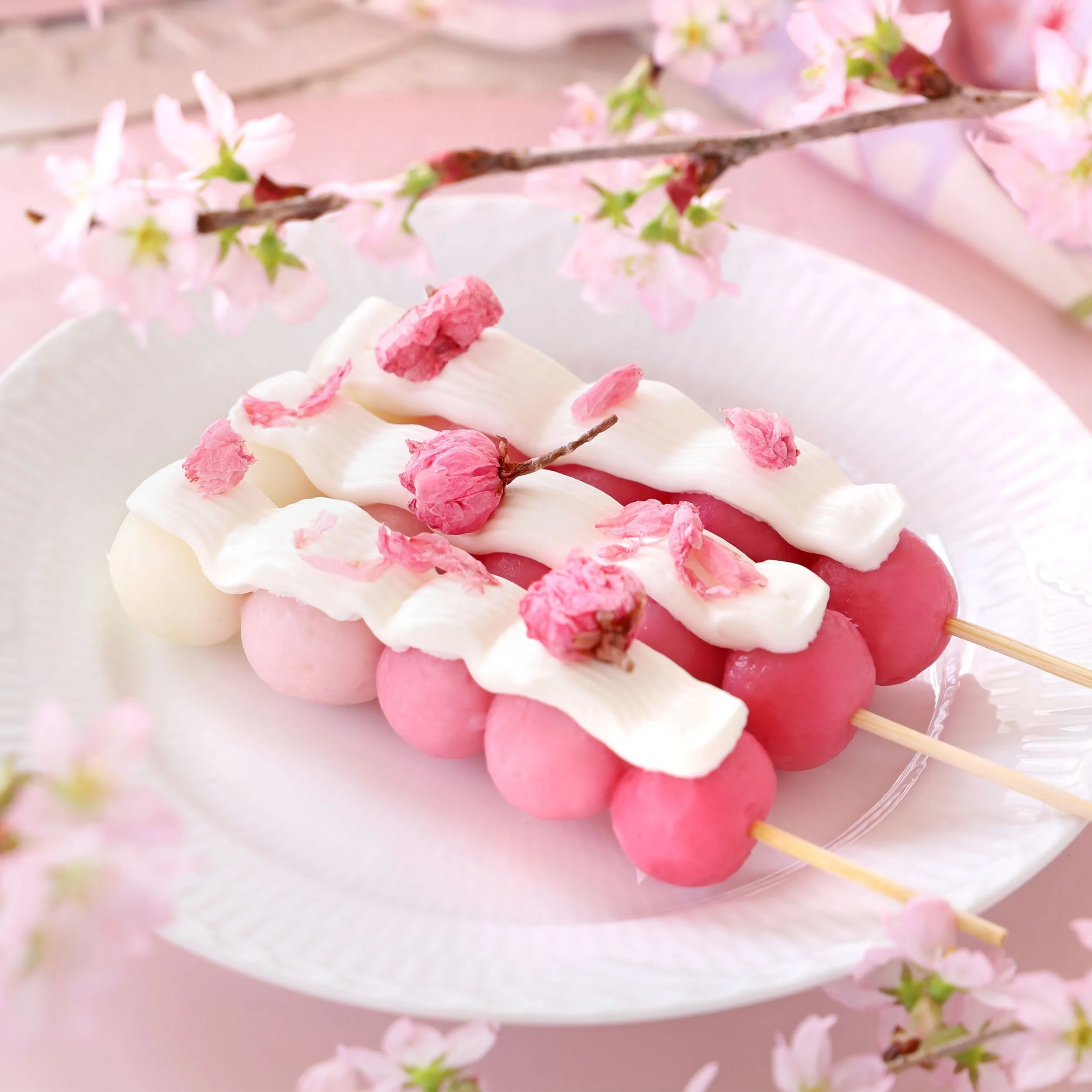
Sakura dango, a seasonal Japanese sweet topped with cream and cherry blossom, reflecting the flavours of spring.
This is one of the reasons sakura season feels so visible even away from the main blossom spots. Visitors do not need to seek it out. It appears naturally in the places they are already likely to visit.
Hanami in the parks
For many visitors, hanami is where the season becomes most visible.
Groups gather under the trees, often on blue tarpaulins laid out early to hold a space. Food is shared, drinks are opened, and people settle in for an afternoon outside. At weekends, some areas also have food stalls, music, or small local celebrations.
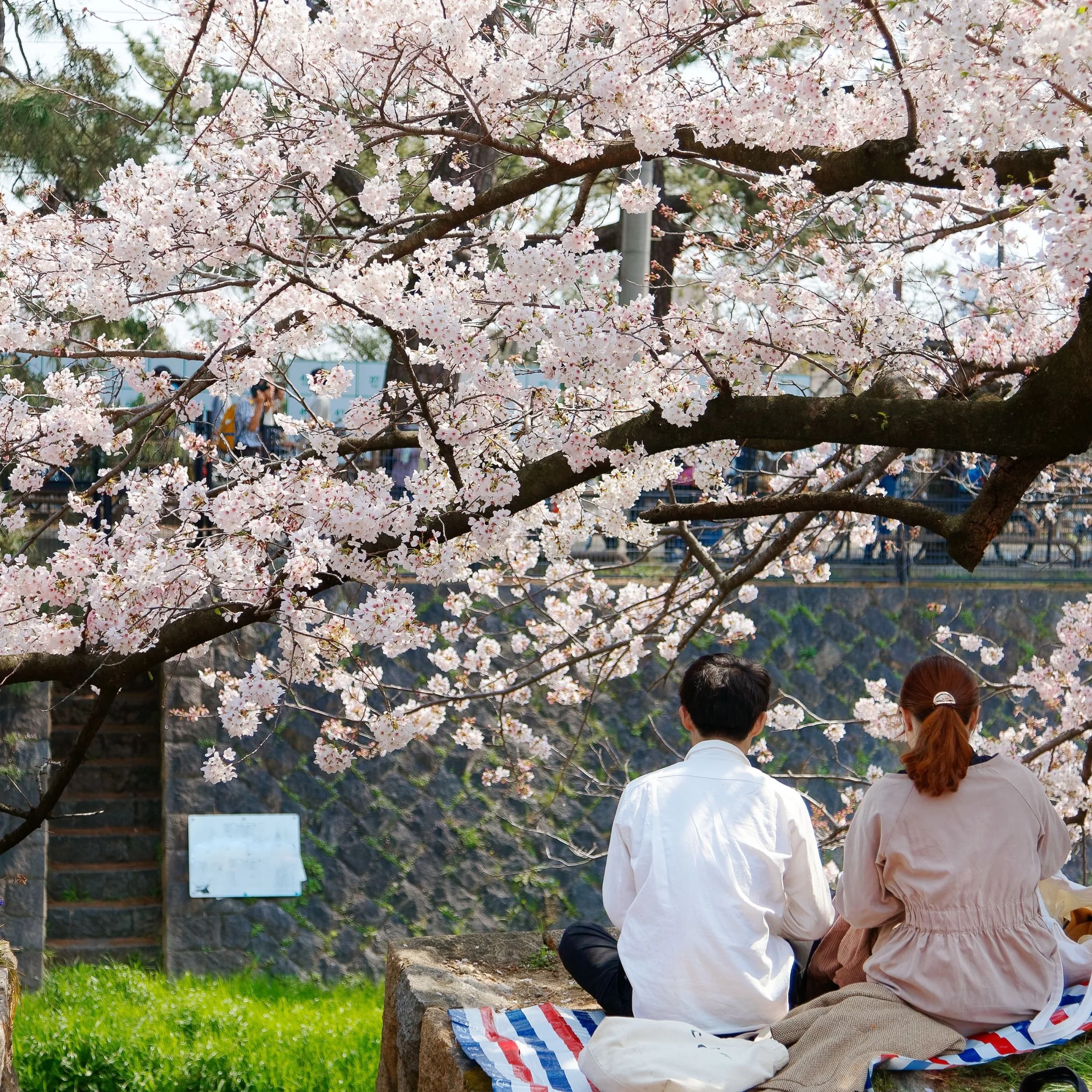
A hanami picnic beneath cherry blossom, where people gather under the trees to enjoy sakura season in Japan.
If you are planning to visit Japan in spring, this is worth allowing time for. Not necessarily as a major event, but simply as part of understanding how the season is enjoyed on the ground.
Evening Sakura
In some places, sakura continues into the evening, with trees illuminated after dark.
For visitors, that makes it worth seeing blossom at different times of day. A park or riverside that feels busy in the afternoon can look very different later on, and that change is part of the seasonal experience.
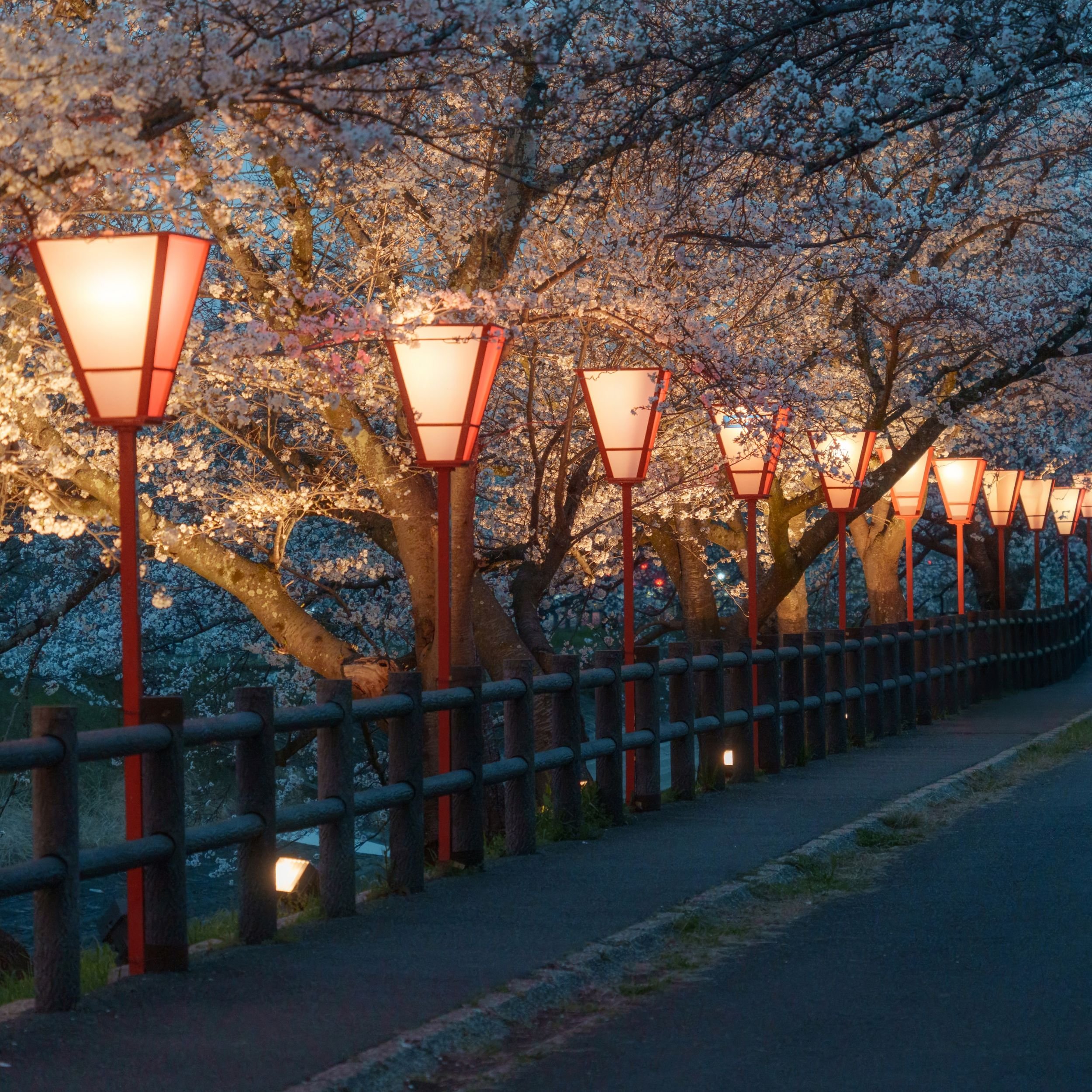
Cherry blossom illuminated at night, where lantern-lit paths offer a quieter way to experience sakura after dark.
How Long Does Sakura Season Last in Japan?
Sakura season is beautiful partly because it is short.
Peak bloom often lasts only a few days, sometimes a week at most, before the petals begin to fall. For travellers, that short window affects how they plan, where they go, and what they are likely to see.
Some trips will coincide with first bloom, others with full bloom, and others with the later stage when petals are already beginning to scatter. Each has its own appeal, but it is worth understanding that cherry blossom in Japan is not a fixed date. It is a moving seasonal window.
More than a cherry blossom trip
Cherry blossom may be what first brings many visitors to Japan in spring, but the season does not end there. In Tokyo, Nezu Shrine’s azalea festival offers another floral spectacle, with vivid banks of colour set against the shrine’s famous torii-lined paths. Seen that way, sakura is not the whole story but the beginning of a wider spring season that keeps unfolding as you travel.
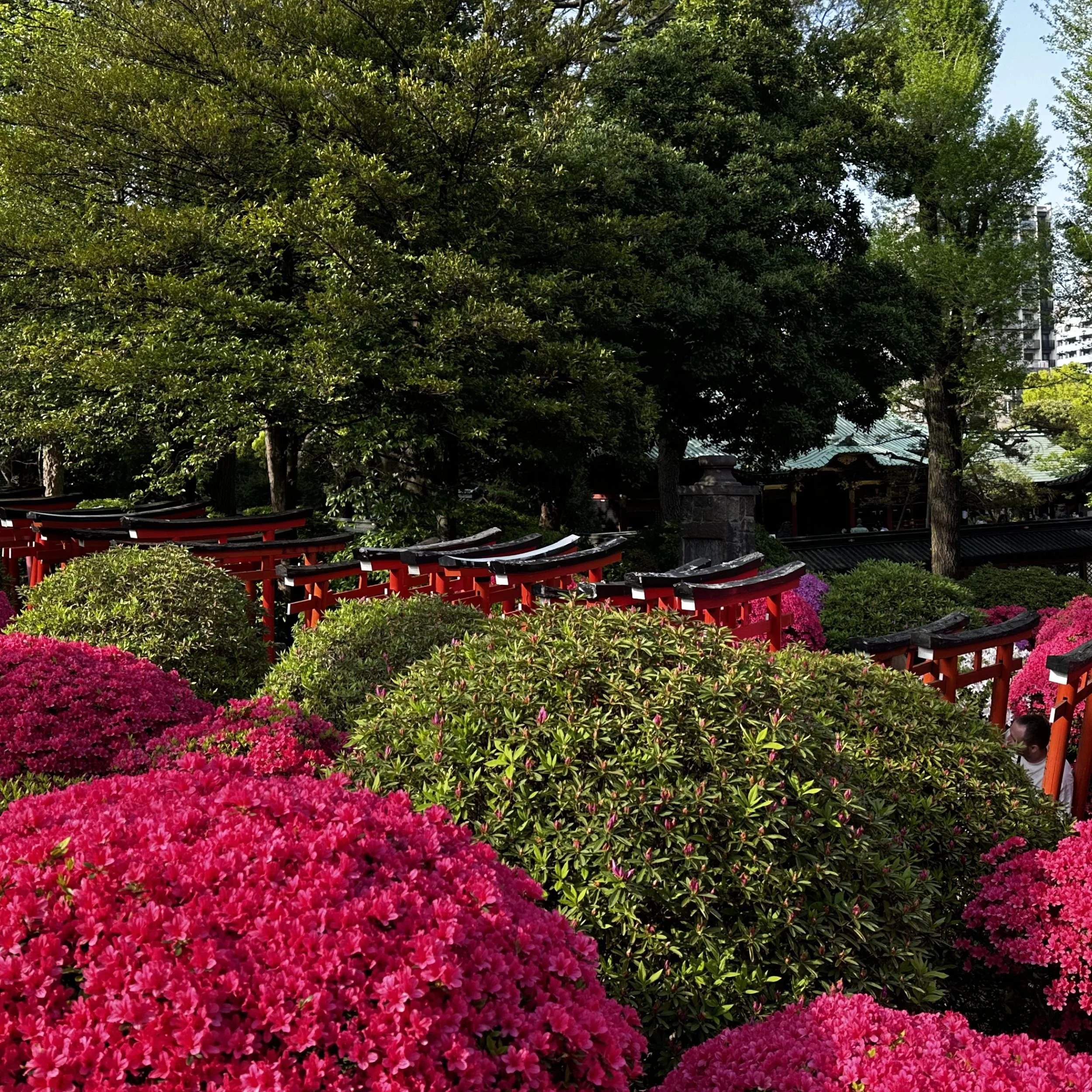
Azaleas in bloom at Nezu Shrine in Tokyo, where bright spring colour surrounds the shrine’s torii gate paths during the annual festival